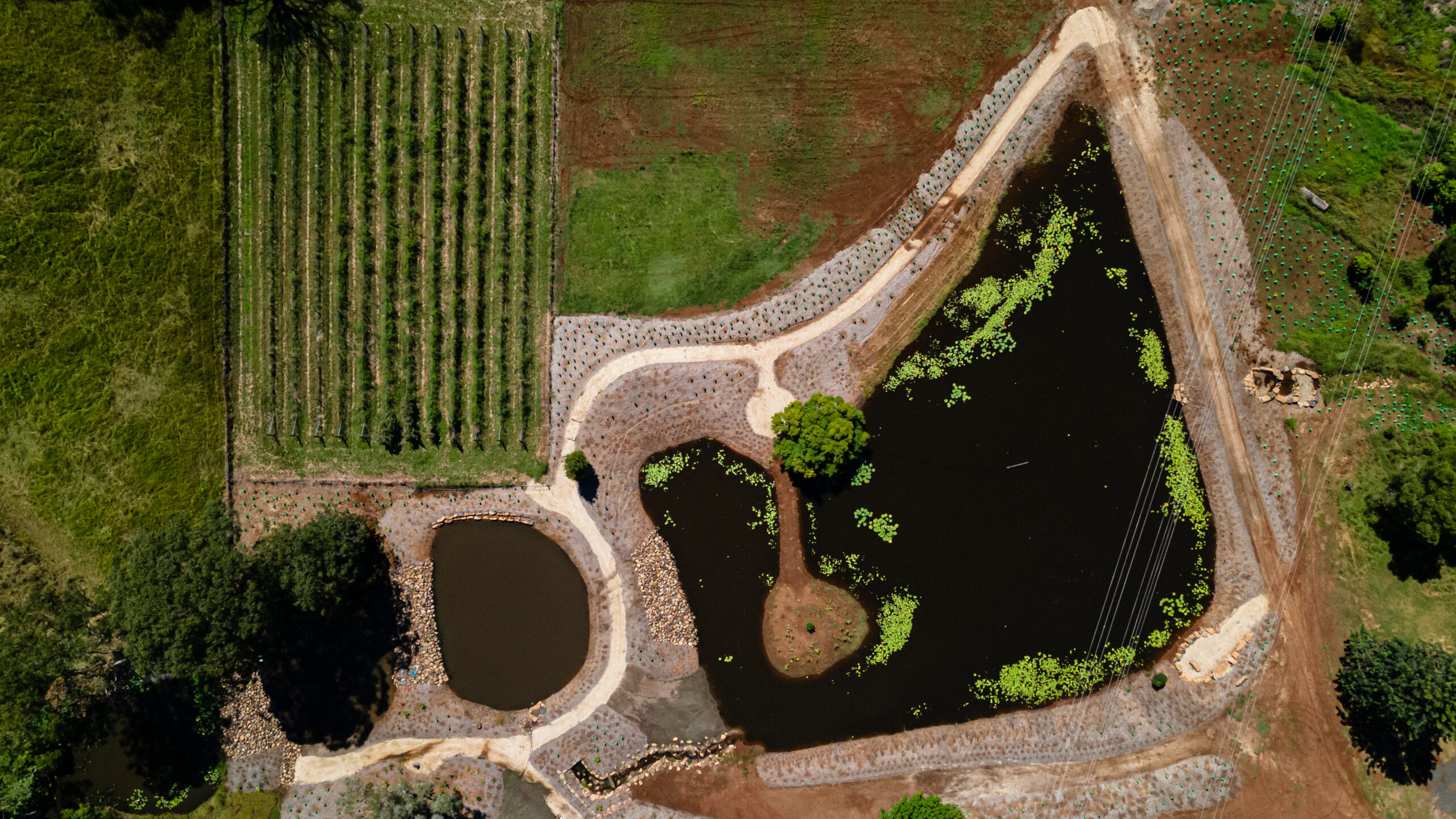
If you own property in the Northern Rivers, you already know how quickly the land can take over. Land clearing Northern Rivers NSW is not just about tidying up an overgrown block — it is about managing one of the most productive, fast-growing, and ecologically complex landscapes in the country. From rampant lantana to sprawling camphor laurel, the subtropical conditions that make this region so beautiful also make it one of the most challenging environments to manage vegetation in. Whether you are a rural landowner, a hobby farmer, or a residential property holder with a few acres to your name, understanding what vegetation control actually involves — and why it matters — can save you time, money, and a lot of headaches down the track.
What Is Vegetation Control?
Vegetation control is the strategic management of plant growth on a property to achieve specific outcomes. Those outcomes might be practical — clearing land for a new build, preparing a site for agriculture, or creating firebreaks around a home. Or they might be ecological — removing invasive weeds to allow native species to regenerate, or restoring degraded land back to functioning bushland.
It is a broad term that covers a wide range of activities, including mechanical clearing with excavators and mulchers, chemical treatment of invasive species, manual removal of weed infestations, and ongoing maintenance to prevent regrowth. Done well, vegetation control is not about stripping the land bare — it is about managing what grows where, and why.
On Northern Rivers properties in particular, vegetation control often sits at the intersection of practical land management and environmental responsibility. Many properties in the region contain remnant native vegetation, habitat corridors, or creek lines that need to be protected during any clearing work. A good vegetation control contractor understands this balance and works within it.
Why the Northern Rivers Is a Unique Challenge
The Northern Rivers region of New South Wales sits in a subtropical climate zone, which means warm temperatures, high humidity, and significant rainfall for much of the year. These are ideal growing conditions — not just for the native plants that make this landscape so extraordinary, but also for the invasive species that threaten it.
Lantana, privet, camphor laurel, tobacco bush, and groundsel bush are just a few of the weeds that thrive in the local climate and spread aggressively across paddocks, creek lines, and bush margins. Left unchecked, these species can completely overwhelm a property within a few years, outcompeting native vegetation, reducing biodiversity, and creating significant fire risk.
That is why land clearing Northern Rivers NSW needs to be approached differently to vegetation management in drier or cooler parts of the country. The speed of regrowth means that a single clearing job is rarely enough. Effective vegetation control here is an ongoing process, not a one-off event. It requires knowledge of local species — both the ones you want to remove and the ones you want to protect — as well as an understanding of council regulations, environmental constraints, and the best methods for each situation.
The Most Common Vegetation Problems on Northern Rivers Properties
Every property is different, but there are a handful of vegetation challenges that come up again and again across the Northern Rivers. Understanding these will help you identify what you are dealing with and how to approach it.
Lantana is arguably the most prolific weed in the region. It forms dense, thorny thickets that can grow several metres high, block fence lines, and prevent any other plants from establishing. It is toxic to livestock and, once established, incredibly difficult to remove without professional equipment and follow-up treatment.
Camphor laurel is another major issue, particularly on properties that were once farmland or orchard country. These trees grow quickly, produce allelopathic chemicals that suppress the growth of other plants beneath them, and spread prolifically via fruit eaten by birds. While they provide some habitat value, large infestations need to be managed carefully to prevent them from dominating the landscape.
Privet — both small-leaf and large-leaf varieties — is a serious problem along creek lines and in gullies throughout the region. It forms dense monocultures that shade out native understorey plants and significantly degrades waterway health.
Overgrown pasture, particularly on properties that have not been actively farmed for some years, presents its own challenges. Rank grass and shrubby regrowth can harbour snakes, increase fire risk, and make it difficult to assess the true condition of fencing, drainage, and infrastructure.
When Does Vegetation Control Require Professional Help?
Some smaller vegetation management tasks — like hand-weeding a garden bed or mowing a paddock — are well within the scope of a motivated landowner. But there are many situations where professional help is not just advisable, it is essential.
Large-scale infestations of declared noxious weeds like lantana or privet require proper chemical treatment combined with mechanical removal. Without the right techniques and follow-up, you will find yourself fighting the same battle every season with diminishing returns.
Any land clearing Northern Rivers NSW that involves significant tree removal, earthworks, or vegetation within or near an environmental protection zone will also require professional assessment and, in many cases, council approval. The Byron, Ballina, Lismore, and Richmond Valley council areas all have specific regulations around vegetation clearing, particularly for land that contains or adjoins mapped ecological communities, koala habitat, or riparian zones.
Working with a reputable local contractor means you get the clearing you need while staying on the right side of the law — and avoiding potentially significant fines for unauthorised vegetation removal.
The Environmental Case for Getting It Right
It is easy to think of vegetation control purely in practical terms — keeping the block tidy, maintaining fences, reducing fire risk. But there is a broader environmental case for doing it properly, especially in a region like the Northern Rivers.
The Northern Rivers is home to some of the most biologically diverse ecosystems in Australia. The region sits within the Gondwana Rainforests of Australia World Heritage Area and contains an extraordinary range of plant and animal species, many of which are threatened or endemic to the area. Koalas, wallabies, bandicoots, gliders, and hundreds of bird species depend on intact and connected patches of native vegetation to survive.
Effective weed control and vegetation management plays a direct role in protecting this biodiversity. When invasive species are removed and native vegetation is allowed to regenerate, you are not just improving your property — you are contributing to the health of the broader landscape. This is why organisations like Landcare and local councils put so much emphasis on targeted weed control rather than broad-scale clearing.
Land clearing Northern Rivers NSW, when done responsibly, can actually improve ecological outcomes rather than diminish them. The key is understanding what you are removing, what you are retaining, and how the land will be managed after the clearing work is done.
What to Expect from a Professional Vegetation Control Service
A professional vegetation control service in the Northern Rivers should start with a site assessment. Every property is different — the species present, the topography, the proximity to waterways and bushland, and the landholder’s goals all influence the approach taken.
From there, the contractor should be able to recommend the most appropriate methods for your situation. This might involve a combination of mechanical clearing with a mulcher or excavator, targeted chemical treatment of specific weed species, and manual follow-up in more sensitive areas. For larger properties, a staged management plan over multiple seasons is often more effective than trying to tackle everything at once.
Good contractors will also advise you on what not to remove — protected native vegetation, hollow-bearing trees, and creek-line vegetation all play important roles in the landscape and may be subject to legal protections.
Finally, maintenance matters. Land clearing Northern Rivers NSW is rarely a set-and-forget solution. The subtropical climate means that weeds and regrowth will return, particularly in the first few seasons after clearing. Building a maintenance schedule into your plan from the outset will save you significant effort and expense in the long run.
Gracewood Landscapes: Local Knowledge, Practical Results
At Gracewood Landscapes, we have been working across Northern Rivers properties for years. We understand the specific vegetation challenges of this region — the weed species, the environmental regulations, the seasonal growth cycles, and the importance of working with the landscape rather than against it.
Whether you need targeted weed control, broad-scale land clearing Northern Rivers NSW, or an ongoing vegetation management plan, our team brings the equipment, expertise, and local knowledge to get the job done properly. We work across the Byron Shire, Ballina, Lismore, and surrounding areas, and we are happy to walk your property with you before recommending anything.
Vegetation control is one of those things that is easy to put off — but on a Northern Rivers property, the longer you leave it, the harder and more expensive it becomes. If your block has been getting away from you, now is a good time to get on top of it. Get in touch with Gracewood Landscapes for a consultation and let us help you develop a plan that works for your land and your goals.